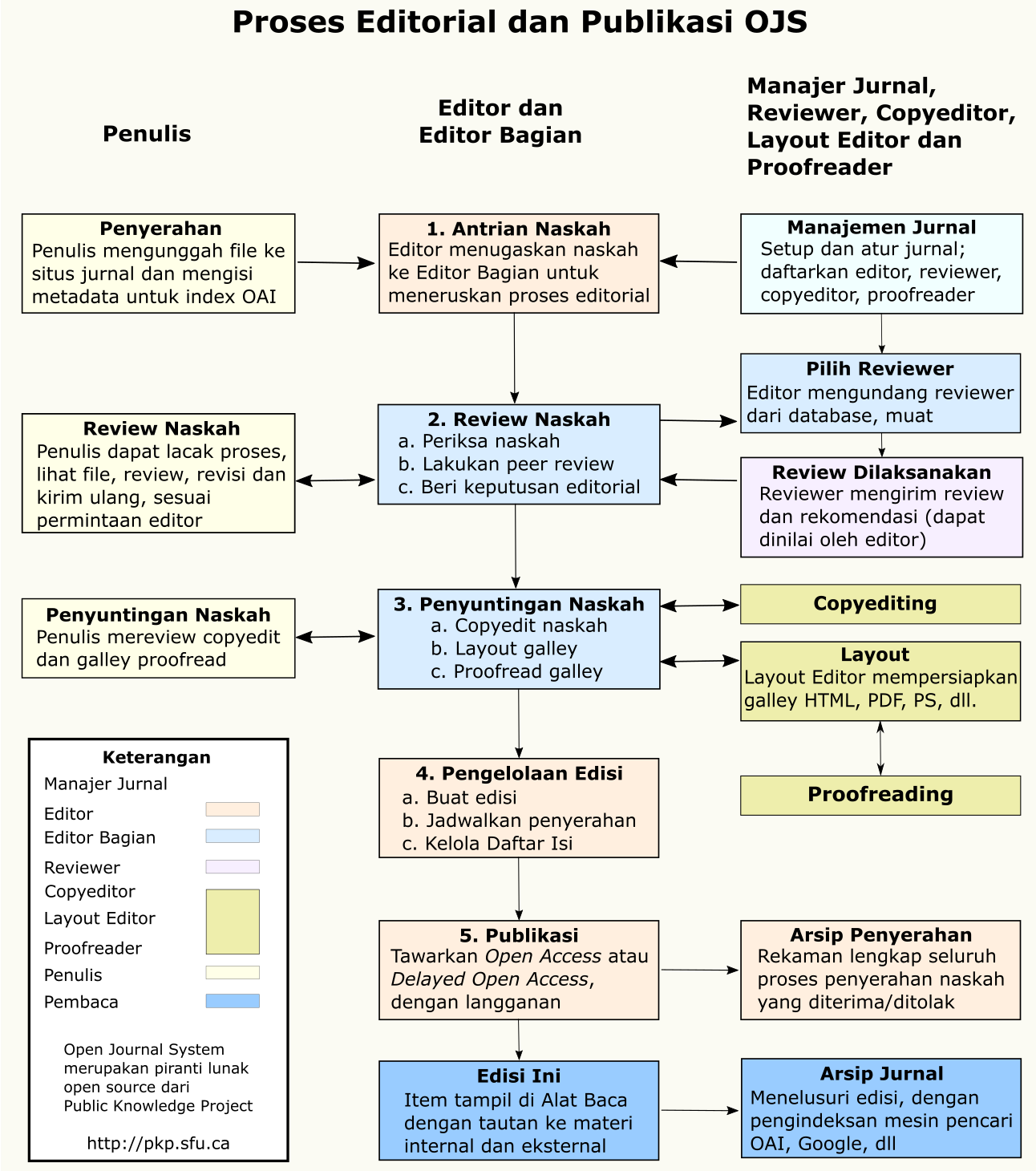

Jurnal Iuris Scientia will publish manuscripts that strictly adhere to our guidelines and manuscript preparation. All submitted manuscripts undergo a rigorous blind peer review process to maintain academic integrity and quality. The detailed review mechanism is structured as follows:
Upon submission, papers are read by editorial board members based on their fields of specialization. The Managing Editor screens the manuscript to ensure it meets the necessary publication criteria. This initial screening process takes up to two (2) weeks.
Every submitted manuscript that passes the initial screening will undergo a strict similarity check using Turnitin or iThenticate. Alternatively, authors may provide their own independent similarity check results upon submission to expedite the process.
Manuscripts are sent to external reviewers selected based on their specific fields of expertise and historic experience in reviewing related legal studies. The designated reviewers are given a time period of three (3) weeks to complete their evaluation. To ensure objectivity, Jurnal Iuris Scientia provides a standardized review form containing specific evaluation rubrics for all reviewers.
Reviewers assess each manuscript based on four critical indicators:
Originality: Novelty and academic contribution to the field of legal science.
Clarity of Presentation: Systematic structure, coherent arguments, and adherence to legal terminology.
Contribution to the Field/Science: The practical or theoretical impact of the research.
Following the submission of the reviewers' comments and suggestions, the Editorial Board meets to make the final decision. Jurnal Iuris Scientia classifies editorial decisions into four types:
Accepted: The manuscript is accepted for publication without further modifications.
Accepted with Minor Revision: The author is required to make minor corrections within a designated timeframe.
Accepted with Major Revision: The author must perform significant revisions and substantial restructuring within a designated timeframe.
Rejected: The manuscript is declined. General grounds for rejection include being outside the journal's scope and aims, major technical or methodology flaws, or a lack of clarity in presentation.